

Secure, Affordable Barriers for Businesses and Work Sites
The top uses of chain link fencing for commercial properties include securing large areas, protecting equipment, controlling access, and creating safe boundaries for staff and customers. Many business owners choose this fencing style because it is strong, budget friendly, and quick to install. It works well for warehouses, schools, storage yards, and retail spaces that need clear security without blocking visibility.
Why Many Businesses Choose This Fencing Option
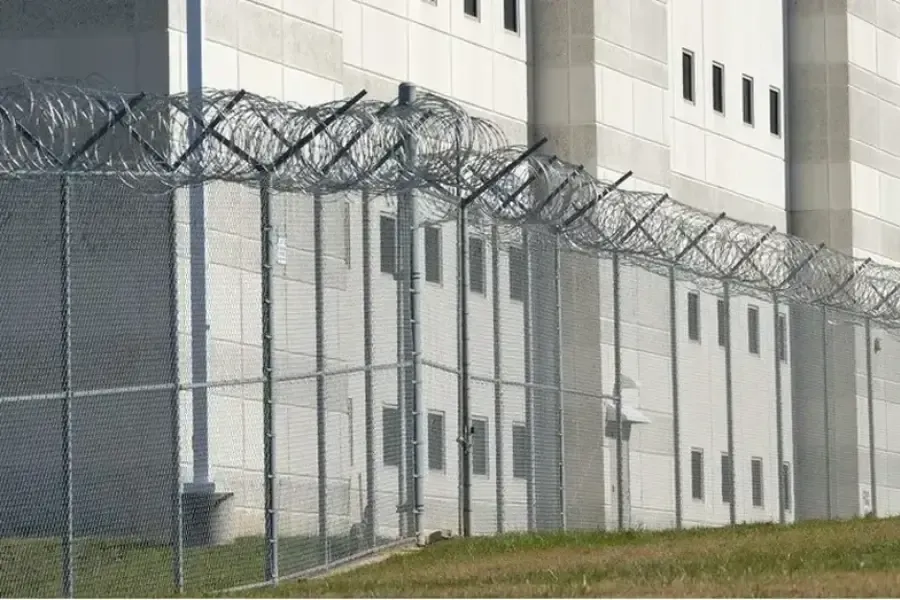
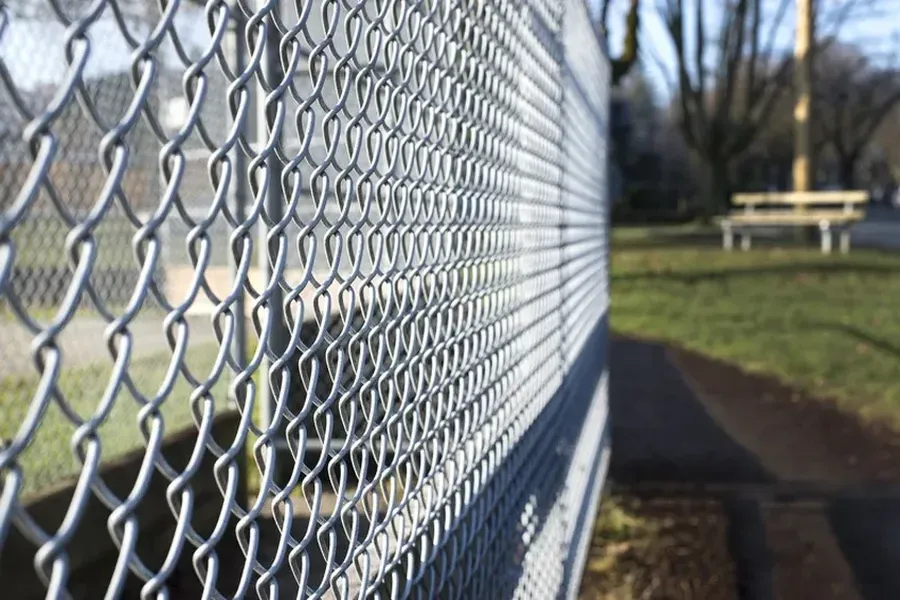
Chain link fencing is one of the most common types of commercial fencing in the United States. It is made from woven steel wire that forms a diamond pattern. This design makes it tough and hard to cut. It also allows people to see through the fence, which helps with security cameras and on-site monitoring.
Business owners often need to protect wide areas. Solid fences can cost more and may require extra support. Chain link fencing covers large spaces at a lower cost while still giving strong perimeter protection.
Perimeter Security for Warehouses and Industrial Sites
Warehouses and industrial buildings often have valuable tools, machines, and inventory inside. A clear, defined boundary helps prevent theft and trespassing. Chain link fencing creates a strong outer layer of defense around the property.
Many companies also add barbed wire or privacy slats at the top for added protection. Gates can be installed for delivery trucks and employee entry points. This setup helps control who comes in and out.
Equipment and Storage Yard Protection
Construction companies and supply yards often store materials outside. Equipment like skid steers, lifts, and stacked materials can be easy targets without proper fencing. Chain link fencing keeps these assets in a secured zone.
Because the fence is weather resistant, it holds up well in rain, heat, and snow. Galvanized or vinyl-coated options add extra rust protection. This makes it a smart long-term solution for outdoor storage areas.
Safety Around Schools and Recreational Areas
Schools, playgrounds, and sports fields often use chain link fencing to create safe boundaries. It keeps children inside designated areas and prevents strangers from entering freely.
For sports courts, the fencing also keeps balls contained. This reduces the risk of accidents and protects nearby windows or parked cars. The open design allows teachers and staff to supervise easily.
Access Control for Commercial Buildings
Office parks and retail spaces use chain link fencing to guide foot and vehicle traffic. When paired with controlled gates, keypads, or card readers, the fence helps manage access after hours.
This is helpful for:
- Storage facilities that need coded gate entry
- Auto dealerships securing vehicle inventory
- Utility sites restricting public access
- Parking lots that close overnight
By limiting entry points, business owners reduce risk and improve safety.
Temporary Fencing for Job Sites
Not all commercial fencing needs are permanent. Temporary chain link fencing panels are often used on construction sites. These panels are easy to install, move, and remove when the project ends.
Temporary setups help:
- Keep the public away from hazards
- Reduce theft of tools and materials
- Mark clear work zones
- Meet local safety codes
This type of fencing provides flexibility while still offering solid protection.
Dividing Large Interior or Exterior Spaces
Some commercial properties use chain link fencing inside warehouses. It can create secure cages for high-value items or restricted inventory. This setup gives layered security within the building.
Outdoor spaces can also be divided into sections for different uses. For example, a landscaping company may separate mulch storage from equipment parking. Clear divisions help organize the property and improve workflow.
Common Mistakes When Installing Commercial Fencing
While chain link fencing is durable, poor planning can lead to problems. One common mistake is not setting posts deep enough. Shallow posts may lean over time. Another issue is choosing the wrong gauge wire for the job. Heavier commercial sites often need thicker wire for better strength.
Some businesses skip adding proper gates or access controls. This can reduce the overall security of the project. Planning entry points from the start makes the fence more effective.
A Simple Checklist Before Choosing a Fence
Before installing chain link fencing, review these points:
- Measure the full perimeter carefully.
- Identify all entry and exit points.
- Decide if privacy slats or barbed wire are needed.
- Check local building codes and permit rules.
- Choose the right wire thickness for your risk level.
Taking time to plan helps avoid costly changes later.
Get Expert Help for Your Commercial Property
If you need chain link fencing in Seguin, TX, we are ready to help with planning, installation, and repairs. At Texas Lone Star Fence, our team handles commercial projects of all sizes and focuses on secure, long-lasting results. Call (830) 256-2223 to schedule a site visit and let us build a fencing solution that fits your business needs.